
What on-device AI means
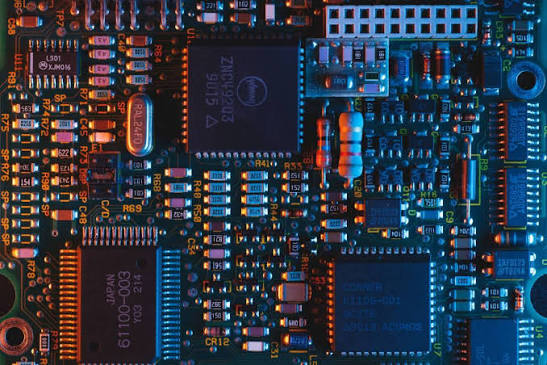
Instead of sending every request to a remote server, smaller AI models run on the device itself, using chips designed for this kind of work. Many new phones and laptops include these processors, often called NPUs.
Why it matters
- Speed: no round trip to a server, so features like live transcription feel instant
- Privacy: photos, messages and voice can be processed without leaving the device
- Offline use: features keep working without a connection
- Lower running costs: fewer cloud calls for the app owner
The trade-offs
On-device models are smaller, so they are best at focused tasks: transcription, translation, summarising a short text, smart replies or recognising objects in photos. Complex reasoning and very large knowledge tasks still tend to run in the cloud. Many apps now combine both, handling quick tasks locally and sending harder ones to a larger model.
What it means for app design
- Decide which features need cloud power and which can run locally
- Plan for different devices, because not every phone has the same AI hardware
- Keep a cloud fallback for older devices
- Tell users clearly when data stays on the device; it is a genuine selling point
The direction of travel
As device hardware improves, more everyday AI features will run locally by default. For businesses building apps, this is a chance to offer faster, more private experiences and keep cloud costs under control.